ARia: Song Unseen is an experimental AR sound work developed through PICA's Open Studios Intensive Mentorship. The project explored how augmented reality, spatial placement, and experimental audio could combine into a work that audiences could encounter through a tablet-based AR experience.
My role covered the practical Unity build: creating the 3D assets, setting up the project, and building much of the functionality needed for the final product. The work moved through several testing directions before settling into systems that could run consistently enough for public-facing use.
Challenge
The biggest challenge was consistency. AR experiences can be fragile when users are moving, aiming devices, losing tracking, or misunderstanding how to engage with the work. For this project, user error and app state recovery were part of the technical problem, not edge cases we could ignore.
We also tested multiple approaches to localisation and presentation, including image placement for localising the AR app, passthrough and AR overlays on tablets, and FMOD for managing the experimental audio. Each idea brought its own constraints around reliability, reset behaviour, and how clearly the audience could understand what to do.
Approach
I built the Unity project around iteration and recovery. We needed systems that could reset themselves, recover positioning, and make it easy to return the experience to a usable state when testing exposed tracking or interaction issues.
The work included creating 3D assets, prototyping the AR placement flow, experimenting with visual layers, and setting up FMOD so the audio side could be managed more flexibly. A lot of the development time went into testing small assumptions: where the device needed to point, how the user would understand placement, and what had to happen when the experience drifted or failed.
Outcome
ARia: Song Unseen became a useful prototype for exploring how AR can hold an experimental sound work without becoming too brittle for real users. The final direction balanced visual presence, audio structure, and practical reset systems so the work could be tested and refined as an audience-facing experience.
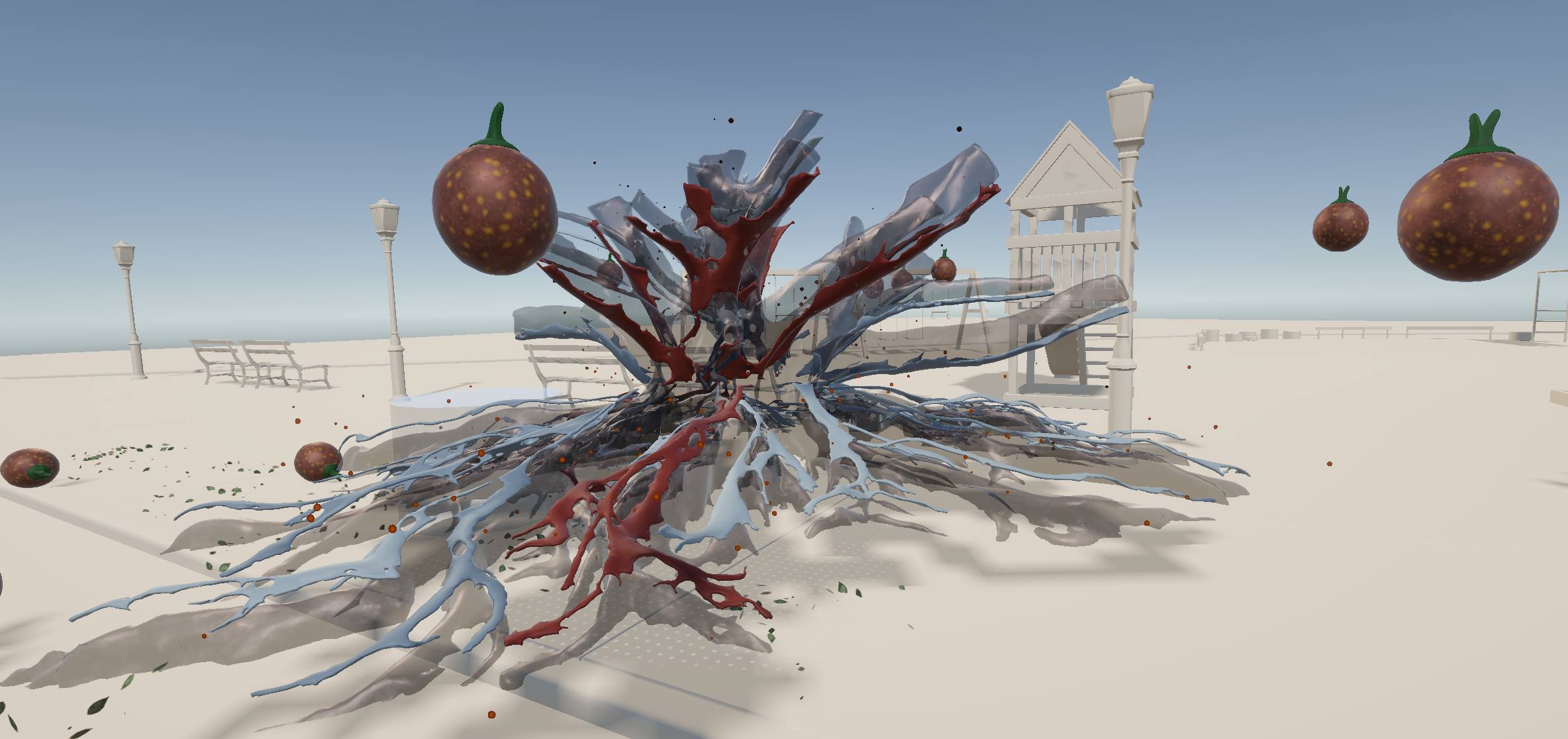
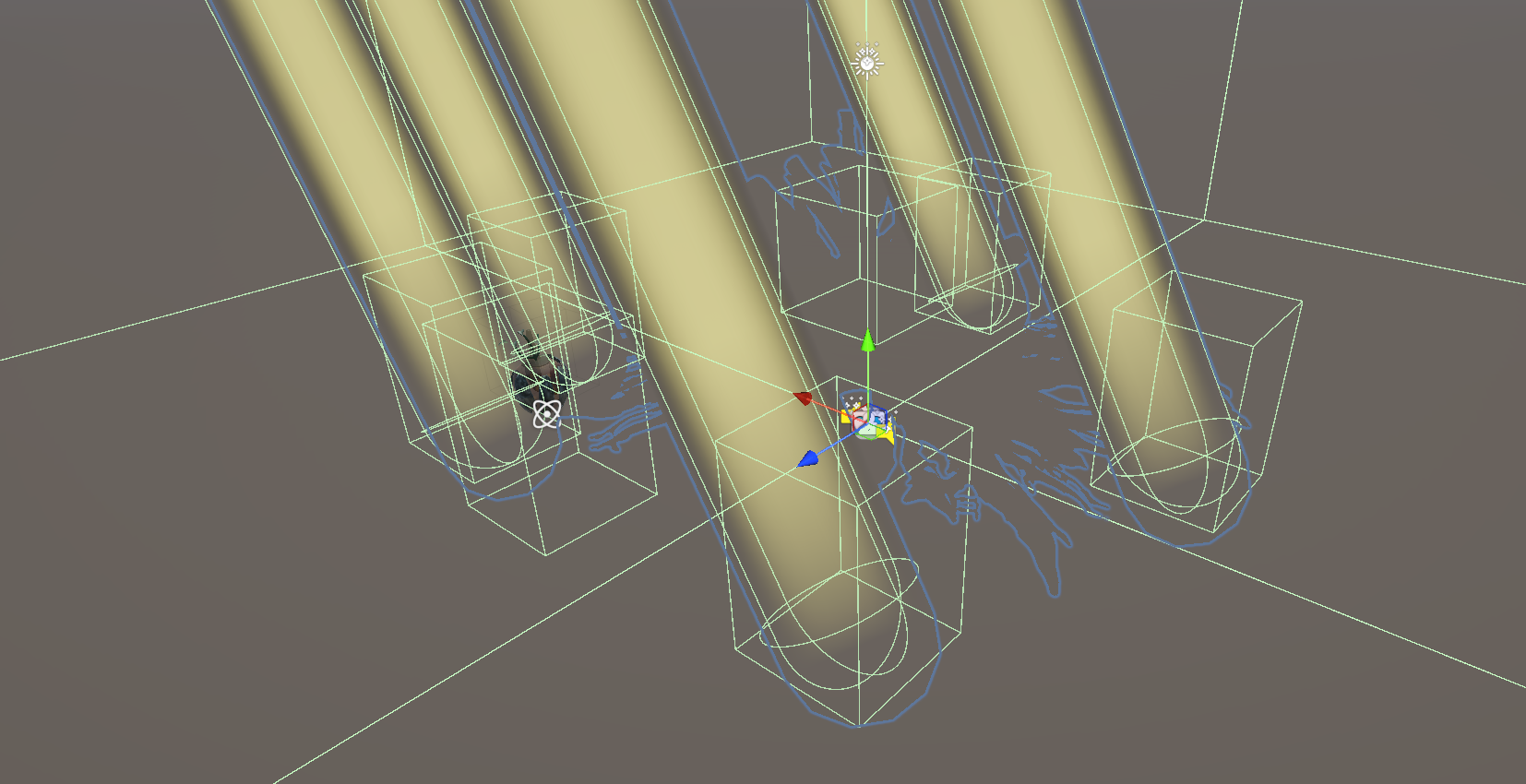
The breakdown below shows a few parts of the build: the core AR scene, atmosphere tests, and an end-scene animation.