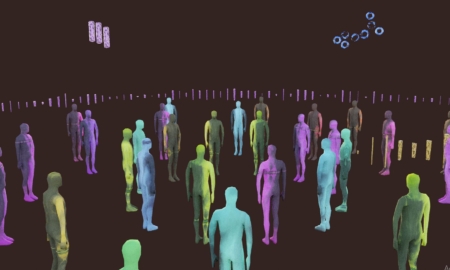
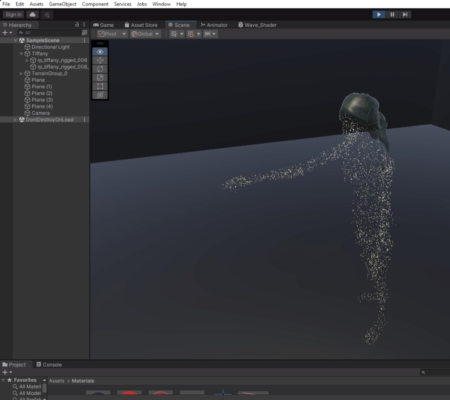
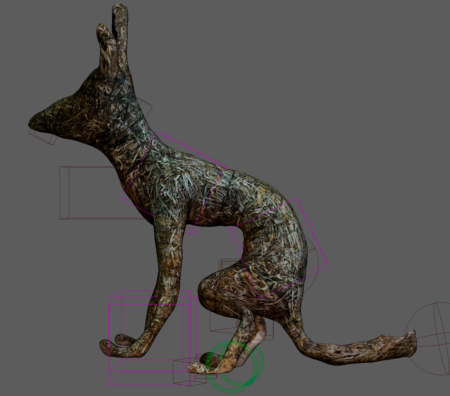
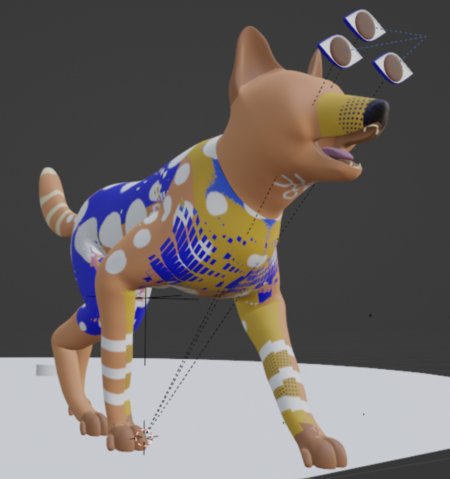
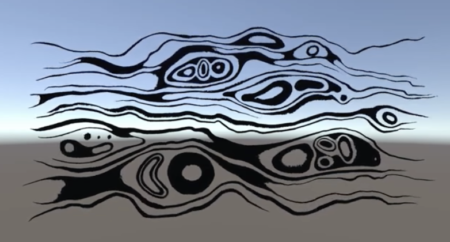
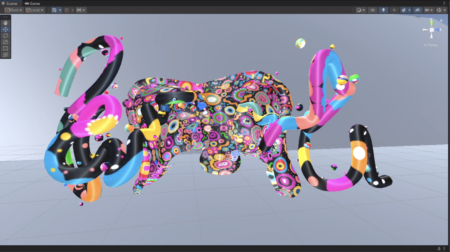
BoodjAR was a location-based augmented reality project created for 10 Nights in Port, bringing a series of public artworks into mobile AR across Walyalup / Fremantle. The work sat at the intersection of public art, cultural storytelling, mobile performance, and Unity-based technical problem solving.
My role focused on Unity development, AR implementation, shaders, and helping each artwork survive the realities of mobile devices, outdoor locations, and public use. Each piece had its own creative direction, which meant the technical work changed from artwork to artwork rather than following one repeated template.
Challenge
BoodjAR was not one AR effect repeated several times. It was a collection of distinct artworks, each with different visual logic, animation needs, site constraints, and technical risks.
The project needed to work outdoors on mobile devices, often with transparent or layered visuals, animated models, spatial alignment, audio timing, and locations where tracking and orientation were not always reliable. That meant the work involved both creative implementation and a lot of practical problem solving.
Approach
I treated each artwork as its own technical brief. Some needed custom shaders and UV work, some needed mobile-friendly transparency solutions, some needed careful world alignment, and others needed optimisation so the experience would remain stable on phones.
The wider goal was to support the artists' intent while making sure the AR scenes could actually function in public. That meant finding workarounds for shader features that did not translate cleanly to AR or mobile, reducing overdraw where transparent layers became expensive, and testing how the work behaved in the physical places where people would experience it.
Outcome
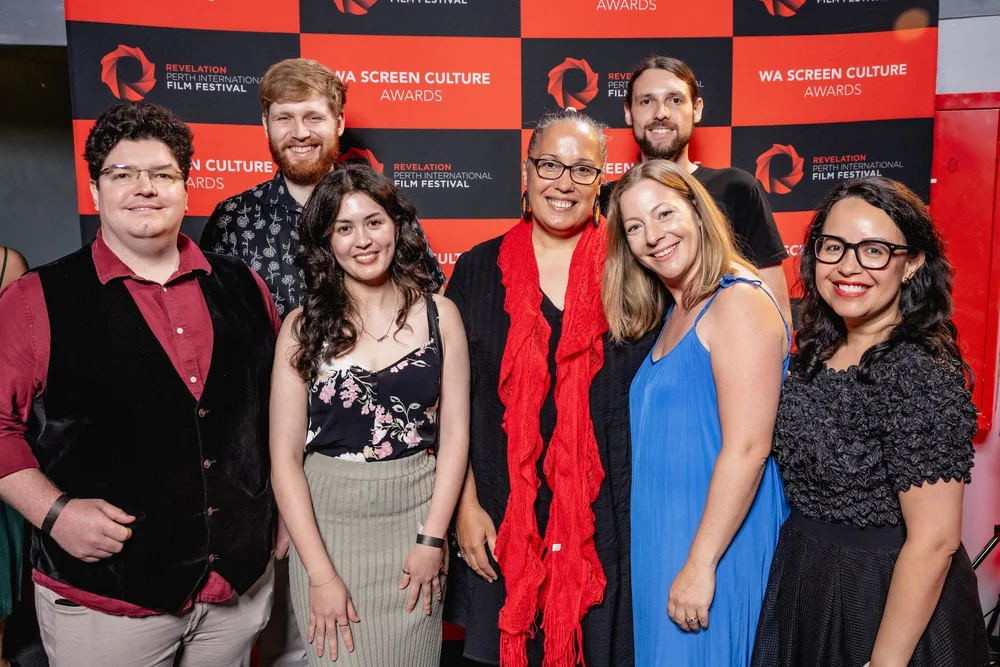
BoodjAR became a public AR artwork trail that presented multiple digital works through mobile devices during 10 Nights in Port. It was also nominated for a WA Screen Culture Award in the VR/AR category, which was a meaningful recognition even though the project was not ultimately selected as the winner.
It was a useful project because every artwork exposed a different kind of AR production problem: timing, shaders, scanning, rigging, spatial tracking, mobile rendering, and environmental alignment.
The gallery below breaks down the main artworks and the technical thinking behind each one.